Arise Capital Advisory structures commercial financing solutions for owner-managed and mid-market businesses, investors, and developers — when standard applications fall short.
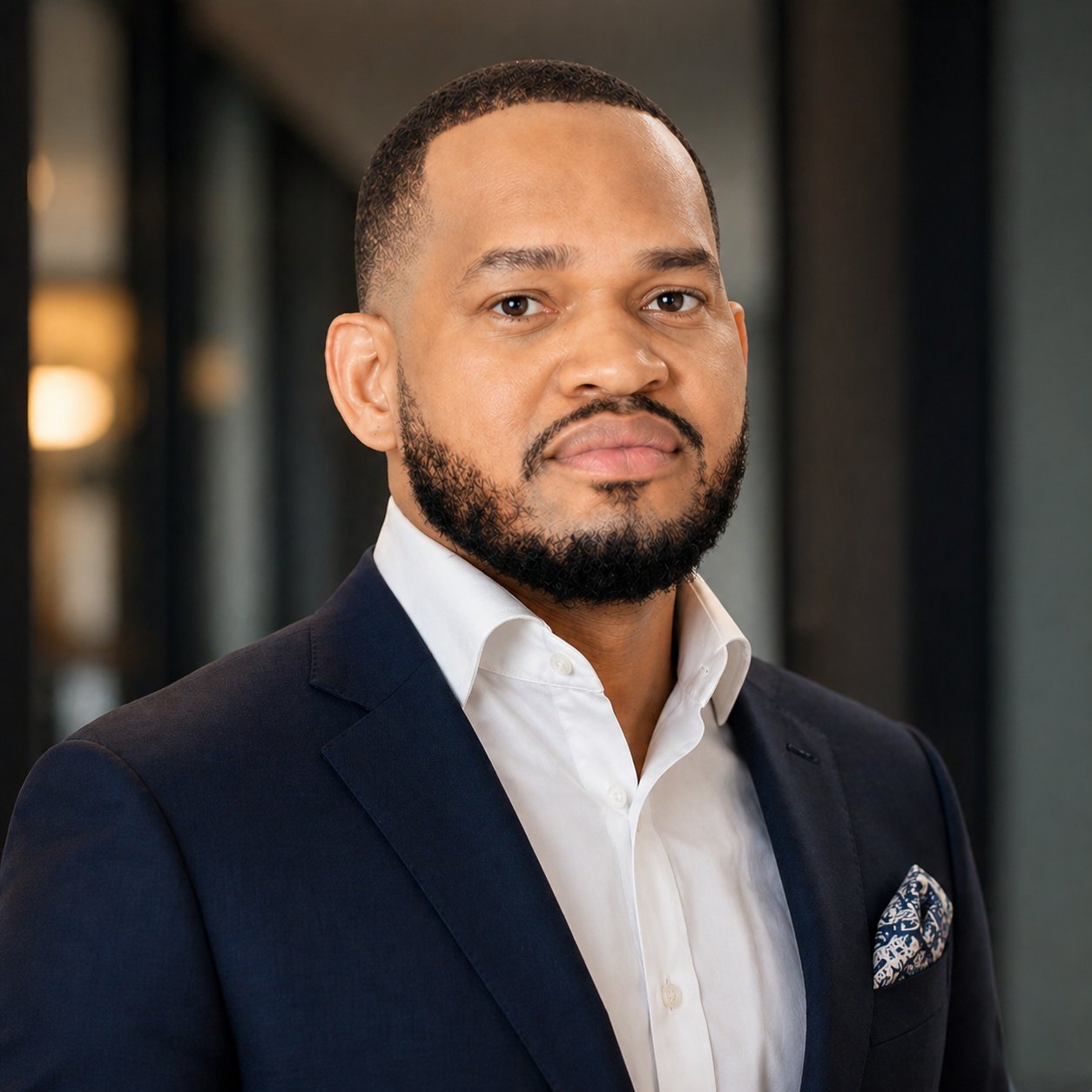
Led by Jeffrey Ike, MBA — former institutional banker with access across bank, private, and alternative lending.
A
$2B+
Financing facilitated
40+
Lender relationships
72hrs
Initial file assessment
100%
Fee transparency
No handoffs
Senior-led to close
Complex files
Our speciality
Lender network includes
TD BankScotiabankBMOEquitable BankDUCAManulife+ 35 more
Former institutional banker — BMO & TD Commercial Banking
MBA, Finance & Strategy · McGill University
Licensed Level 2 Mortgage Agent · FSRA Ontario
Who we work best with
Built for owners, investors, and their trusted advisors.
Business owners needing speed
Time-sensitive acquisitions, refinances, or working capital needs that can't wait for a standard bank timeline of 90+ days.
Borrowers declined by banks
Complex income structures, environmental concerns, special loans, or files that fall outside conventional credit parameters — we find a path forward.
Lawyers & accountants
Professional referral partners who need a trusted, discreet advisor for complex client financing needs — with fees available where applicable.
Investors acquiring property
Commercial, multi-residential, and mixed-use acquisitions requiring high-leverage structuring, speed, and access to the full lending market.
Operators needing working capital
Owner-managed businesses requiring cash flow financing, equipment capital, or credit facilities structured around how their business actually operates.
Our solutions
We structure capital where others see complexity.
From owner-occupied commercial properties to multi-residential developments and private credit — we match each mandate to the right lender at the right terms.
01
Commercial Mortgages
Owner-occupied and investment commercial properties. Retail, industrial, office, and mixed-use. Competitive rates across 40+ lenders. Typical close: 30–60 days.
New construction, major renovations, and bridge financing for developers who need speed, structure, and certainty of close. Loan amounts: $500K–$50MM+.
When conventional credit falls short. MICs, private lenders, and alternative structures for time-sensitive or complex situations. Faster close timelines available.
"I spent years on the relationship side of Canada's major financial institutions — bringing in commercial deals and navigating them through the credit process. That inside knowledge is what I bring to every mandate."
Jeffrey Ike, Managing Partner of Arise Capital Advisory, built his career in commercial banking before making a deliberate move to independent advisory. Strategy before product — we assess your situation before recommending a path. We access the full capital market — banks, credit unions, alternative lenders, and private capital — so the solution fits your situation, not the lender's checklist. All fees are disclosed in writing prior to engagement.
I
Institutional knowledge, advisory independence
Experience inside Canada's major financial institutions means we understand lender credit policy from the inside — and how to present your file to maximise approval probability.
II
Full capital market access
Chartered banks, credit unions, MICs, trust companies, and private lenders — matched to your deal type, not defaulted to the nearest product shelf.
III
Owner-managed & mid-market focus
We serve businesses and investors whose deals have complexity, ambition, or time-sensitivity that rigid bank processes can't accommodate. That's where we thrive.
IV
Senior-led from mandate to close
Every mandate is overseen at the senior advisory level from first assessment to funded deal — no handoffs, no junior associates, no surprises.
Your advisor
Jeffrey Ike, MBA
Managing Partner · Arise Capital Advisory
With a background in commercial banking at Canada's major financial institutions, Jeffrey brings institutional-level credit knowledge to every mandate — combined with the speed and flexibility that only an independent advisory firm can offer.
Industrial acquisition — environmental concern on title
Manufacturing business acquiring its operating premises. Chartered bank declined due to a historical environmental notation on title. File restructured and placed with an alternative lender comfortable with the remediation history. Closed within the required timeline.
$2.8M · 80% LTV · 45-day close
Multi-residential · Hamilton
32-unit portfolio — client in special loans
Borrower with an existing file in the lender's special loans department — no conventional bank would engage. Bridge financing arranged within 12 days to halt power of sale proceedings. Permanent refinancing placed at improved terms upon stabilization.
$5.4M · Bridge + term · 12-day commitment
Construction · Vaughan
Mixed-use development — first-time developer
First-time developer with a strong asset base but no construction track record. Structured a phased construction facility with a private lender. Conventional takeout financing arranged simultaneously for seamless project completion.
When they need commercial financing, we're the firm you refer with confidence — and you stay informed throughout. Discreet, professional, and results-oriented.
01
Introduce the client
A brief introduction by email or phone is all we need. We handle the rest with discretion and keep you informed at each stage.
02
We assess and structure
Our team conducts a no-cost financing assessment, identifies the optimal lender match, and presents a clear term sheet — typically within 5 business days.
03
We manage to close
From commitment letter to funding, we coordinate with legal, lender, and client. Your client's outcome reflects well on you.
04
Referral fee where applicable
For eligible referring professionals, we offer a referral arrangement in accordance with applicable FSRA regulations.
Start a referral
Share the details below and we'll reach out within one business day.